
Sustainable communication should change how a campaign is made, not only what it says. Three Glitch projects show how to reuse, rethink and make more from what already exists.
Advertising has a newness problem. New concept. New shoot. New visual world. New content for every channel. New objects built for a launch and forgotten before the invoice is paid.
A campaign about sustainability cannot behave as if resources are endless. It has to walk the talk. The principle has to enter the brief, the idea, the production and whatever the work leaves behind.
This is becoming a practical question, not only an ethical one. The European Commission found that 53 percent of the environmental claims it reviewed were vague, misleading or unfounded. Forty percent had no supporting evidence. New EU rules against greenwashing begin to apply on 27 September 2026.
Good. A green adjective was never much of a strategy. For us, sustainable communication starts with three questions:
- What can we reuse?
- How can the way we make the campaign prove its point?
- How can everything a project produces become material for communication?
FRUFRU, Lumea9 and Creative Circular Cities gave us three very different answers.
FRUFRU: reuse is the idea
How do you advertise ice cream in recyclable packaging, sold from refrigerators made with recycled materials?
Cancel the new shoot. And find some ads to recycle. So we went into the television archive and pulled out two commercials many Romanians already knew: the NEI colour television ad with its parrots and a Dove Supreme shower gel spot. We put the FRUFRU logo over the original branding. We replaced the products in the packshots with ice cream tubs. We recorded new voiceovers. All while keeping the interventions obvious and fun.
The familiar footage did two jobs at once. It triggered recognition, then turned that recognition into the joke. The rough edges were not something to hide in postproduction. They were proof of the idea. Reuse became concept, production method and entertainment. One move, three jobs. Less new production. More creative mileage from something that already existed. That is the useful tension in sustainable communication. Fewer resources do not have to mean a smaller idea. Sometimes the constraint is exactly what makes the idea worth remembering.
Lumea9: walk the talk, then put it on a citylight
How do you promote sustainability with a… well, sustainable campaign?
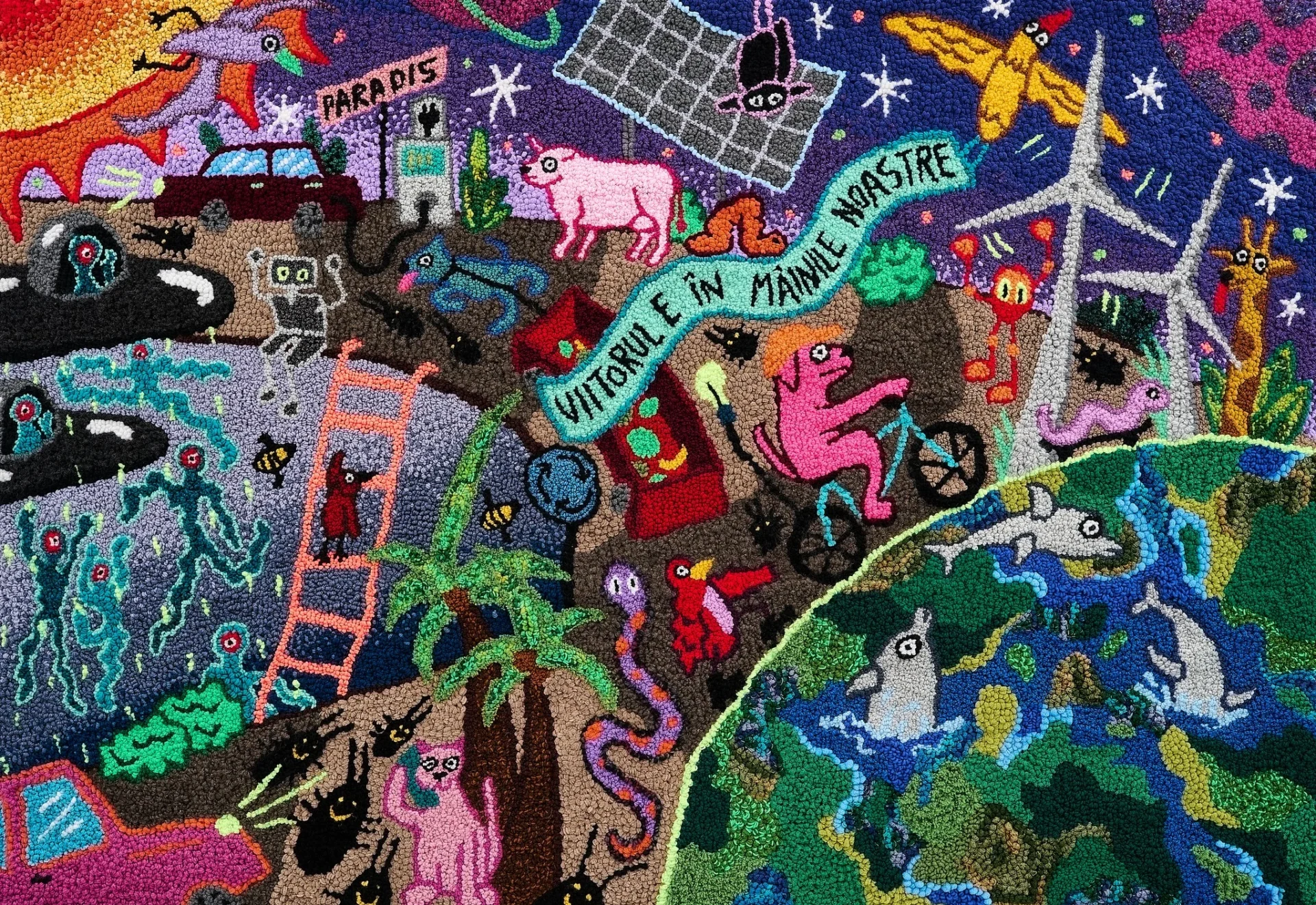
That was our thought behind “Facem Lumea9 cu mâinile noastre”, our campaign for Lumea9, BRD’s sustainability platform, created in the context of Climate Change Summit. Something with handmade, texture, imperfections, craft, aching fingers. Something that takes the longer route.
A campaign made by hand.
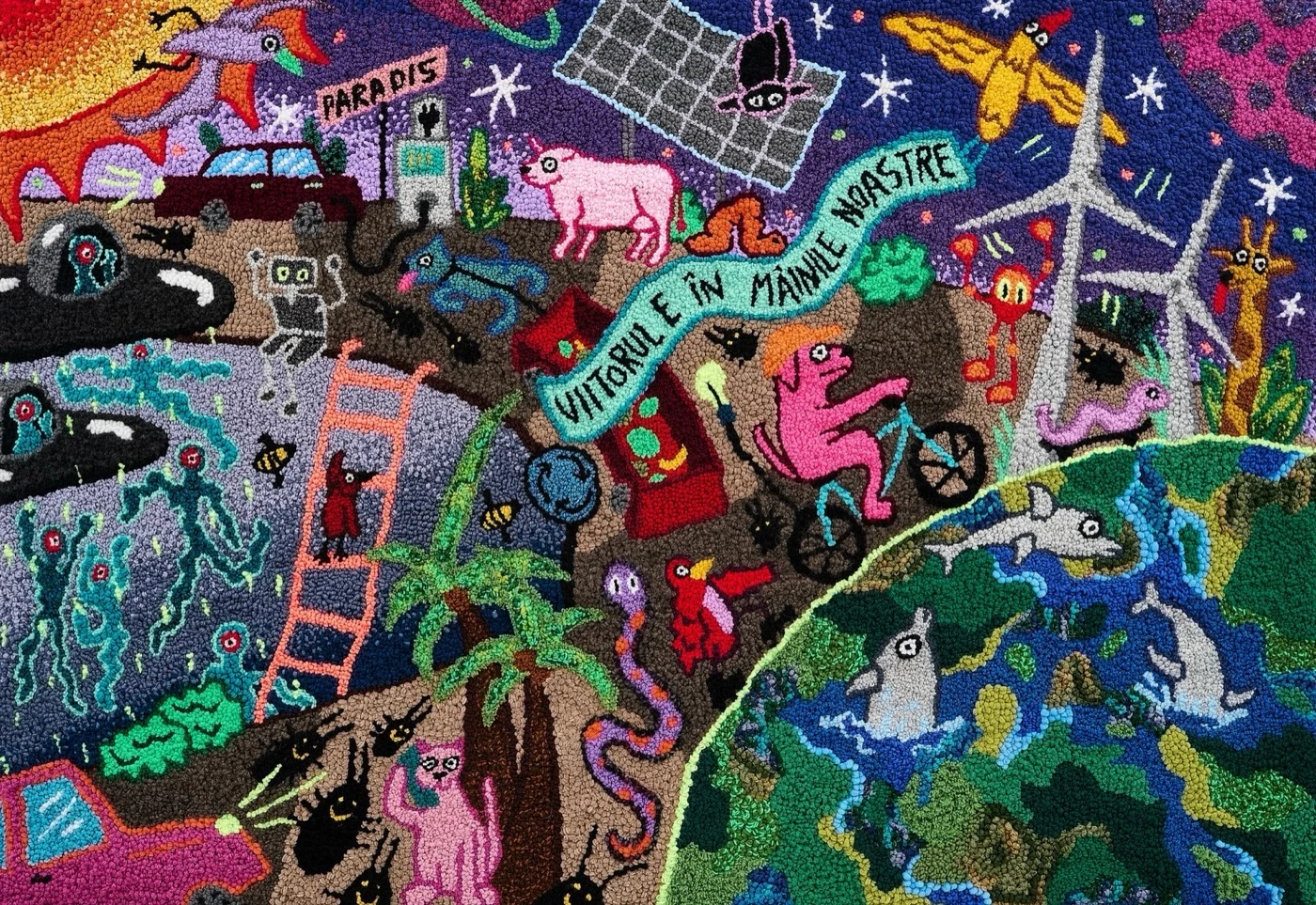
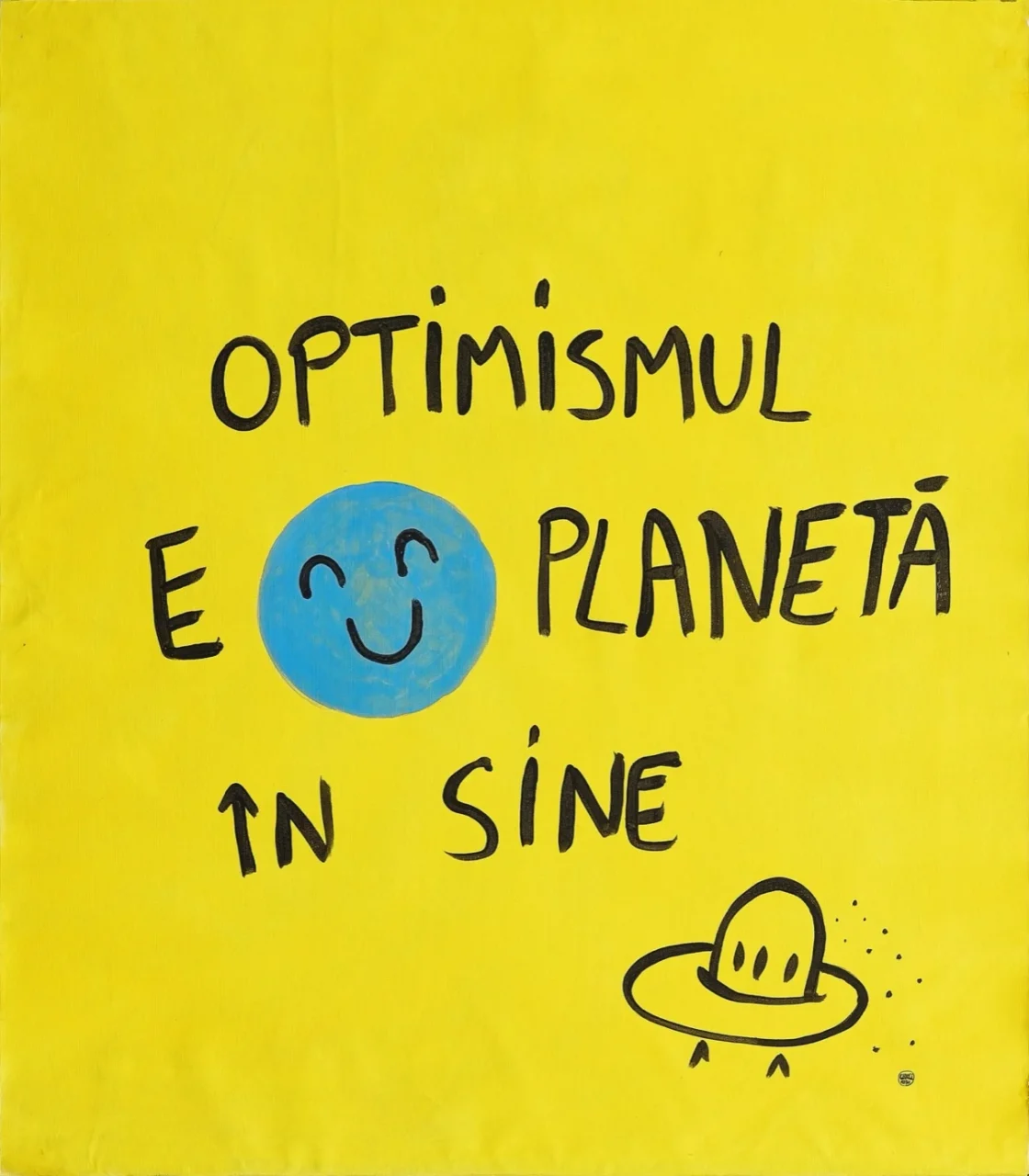
Four artists. Four techniques. Iulia Groves carved linocuts. Megan Dominescu made a tapestry. Oana Barbonie built collages. George Roșu drew typographic illustrations. A screen-printing studio reproduced the linocuts through an analogue process.
The works became ads in BRD windows and citylights across Bucharest. Then the same pieces became exhibits at Climate Change Summit. They were not props made to resemble art. They were artworks doing the job of advertising.
The process was the message. Sustainable materials. Original artworks made without electricity. Analogue production. The same objects moving through several public lives.
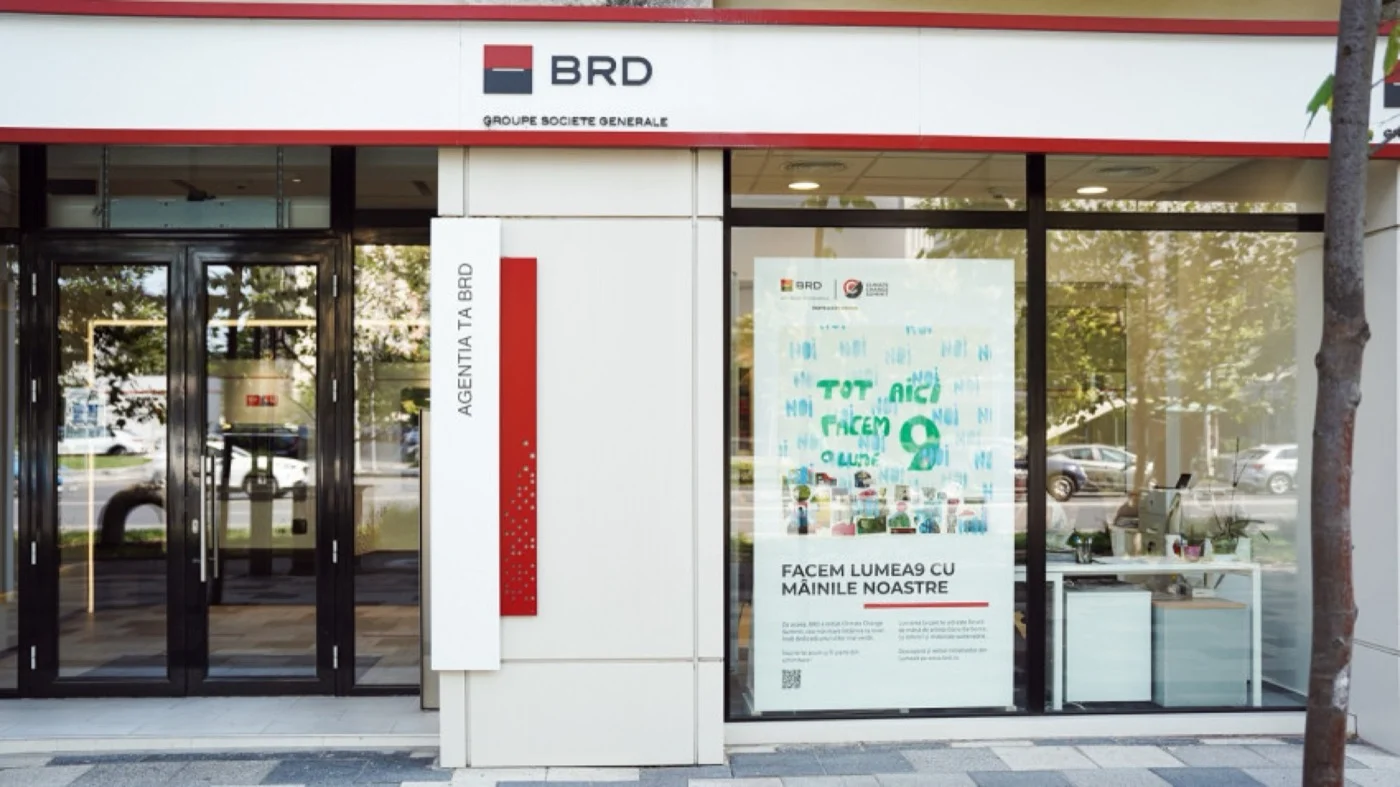
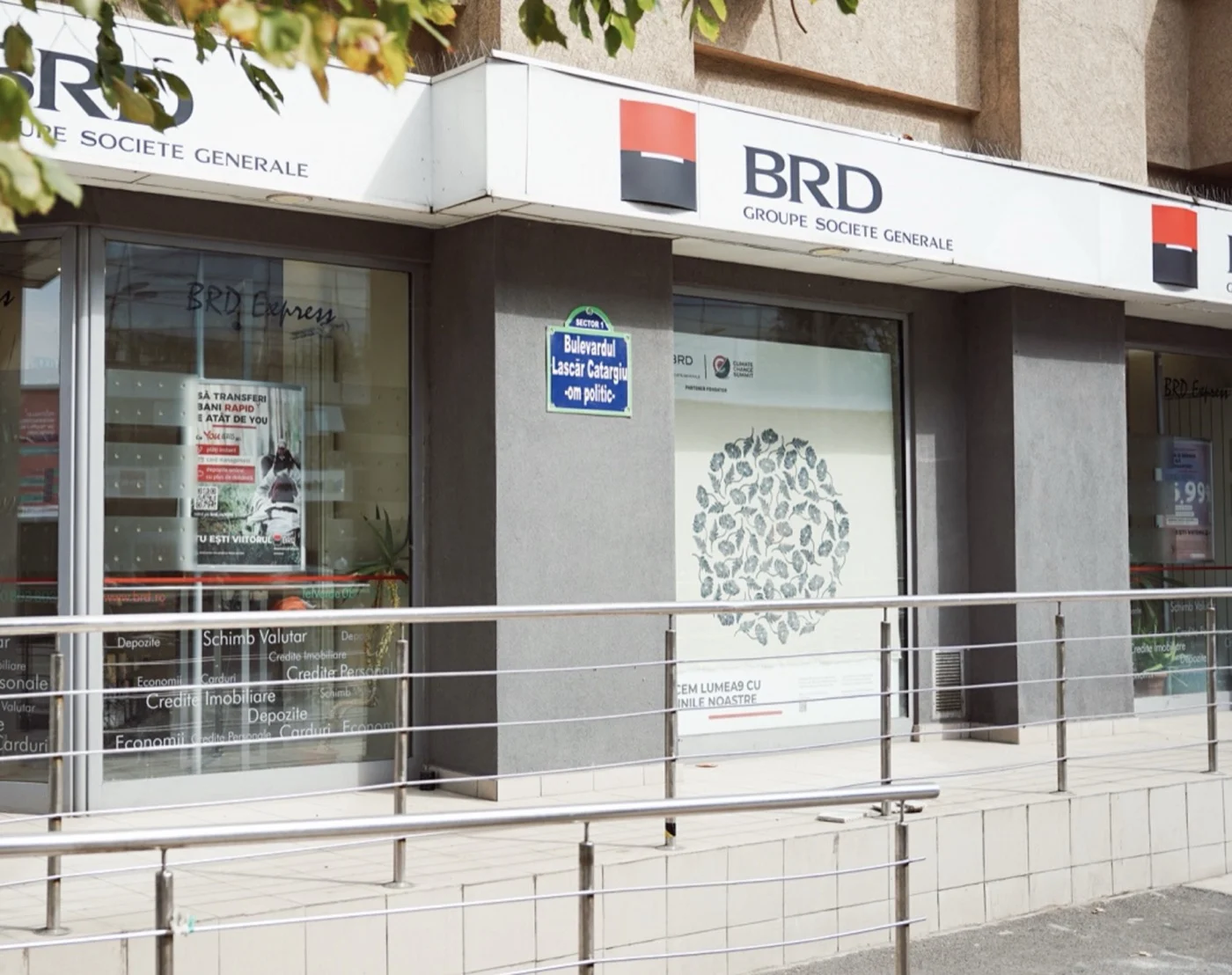
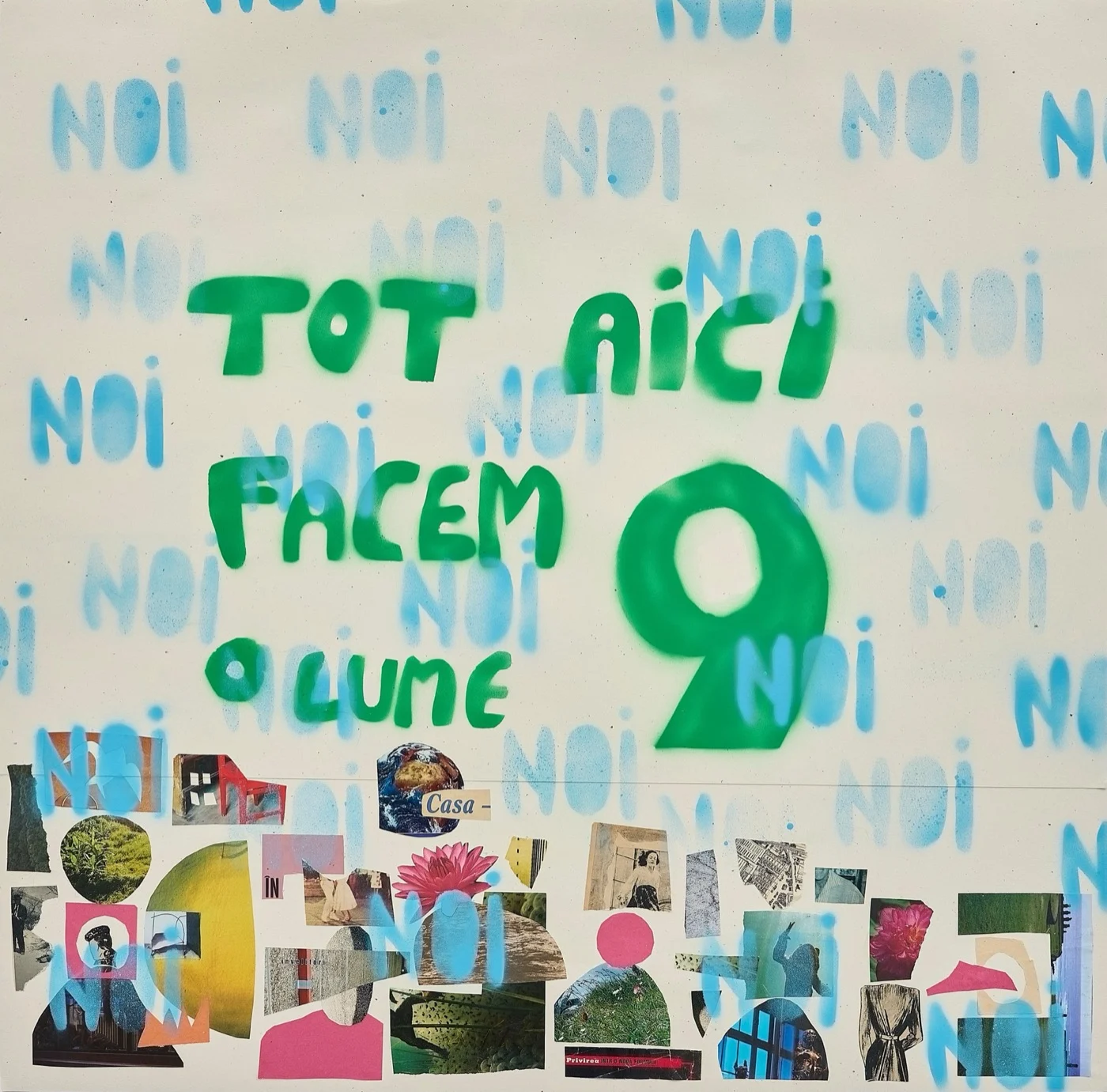
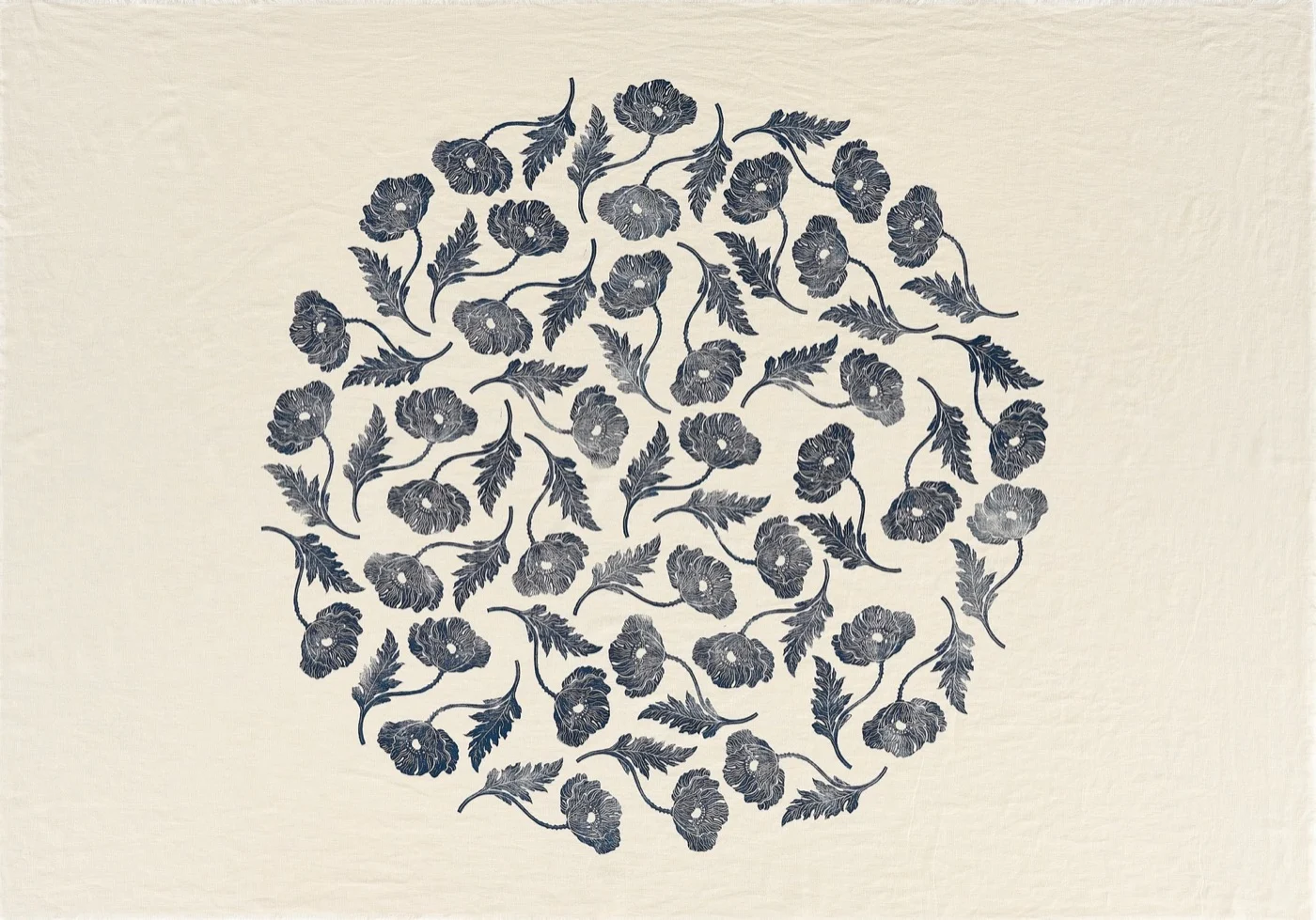
And because the campaign showed how it was made, people did not have to take a sustainability slogan on trust. They could see the choice in every cut, thread, layer and line. Not green wallpaper. Not nature photography under a corporate headline. A campaign that used the problem as its creative material.
Creative Circular Cities: make collages of the archive
Sustainable communication is not only about using fewer production resources. It is also about seeing the material piling up around a project as something other than leftovers.
Creative Circular Cities is an Interreg Baltic Sea Region project connecting Aarhus, Gdynia, Kiel, Riga, Tallinn and Turku. Six cities testing how culture and the creative industries can help circular businesses grow, shift public habits and move circularity into municipal policy.
The subject is urgent. The language around it is often not. And the campaigns about it, certainly lagging. “Circular economy transition at municipal level” may be accurate. It is also the sort of phrase that can disappear into a funding document and never come back out.
Our job was to pull it into public life. Glitch developed the framing, visual identity, website, editorial system and campaign. And because this was a project about circularity, the campaign needed more than circular-looking graphics. It needed a circular way of producing them.
The central move was simple: Be ecoist. Not perfect. Not pure. Not waiting for the whole system to change first. An ecoist sees waste as material, culture as infrastructure and creativity as a very practical force for transition. The campaign follows the same logic. Cut, combine, repurpose. But not with a library of perfect new campaign photographs. With whatever the project had already produced.
Press photos. Workshop images. Slides. Diagrams. Snippets of copy. Project materials. All the useful things that usually end up in folders, reports and polite recap posts, never in the actual campaign. We cut them up and collaged them into new communication. Then the project produced more things, and those became material too. Every output could become input.
The project archive was not storage. It was the art department. That was our circular system. Not circularity as decoration. Circularity as the way the campaign kept making itself.
Sustainable communication: there is a method to the madness
We always start with questioning why we do what we wanna do. Sometimes it’s smooth, other times it is hard. But you can be sure there are always compromises, late decisions and the usual production mess. Like filming with Dragoș Hanciu the work the artists did for Lumea9 on 8mm film. Some things worked beautifully. Some needed fixing. Like finding some decent resolution footage of the 90s NEI commercials for Frufru. Some still annoy us. But in each project, sustainability got inside the idea early enough to change it. And make it grand.
With FRUFRU, recycling it was recycling. With Lumea9, it was doing it manual. All of the 4sqm rug of it. With Creative Circular Cities, turning oldies archive leftovers into the campaign’s raw material.
Looking back, there is a pattern. We keep trying to stop sustainability from arriving at the end, dressed as a headline. We also do not think sustainable communication has to look …. sustainable. Like more leaves, green stock photography or another tasteful shade of you guessed it – green. It needs a good idea. Preferably one that changes how the work gets made, used and used again.
That can mean resurrecting two gloriously dated commercials. Giving four artists the space to leave fingerprints all over an advertising campaign. Or building a communication system creative enough to just reuse press photos, project materials and other things that usually never find their way into a comms campaign.
That is sustainable communication for us. Not another claim in the copy. A principle built into the idea and execution. Practising what we preach. Walking the talk. The medium is the message-ing it?
Working on a European project? See how we turn its ideas and results into identities, publications, websites and communication materials.