
Glitch is available to join Horizon Europe consortia working across culture, climate, sustainability, democracy and social change, for the 23 September 2026 calls and beyond.
Every EU-funded project acquires a familiar collection of things: a logo, a website, a launch post, a newsletter, a few event banners and a PDF deliverable that becomes hard to find six months after publication.
Each item can serve a purpose, and yet not amount to a communication strategy.
The problem starts when communication enters the room after the researchers have defined the work packages, the partners have divided the tasks and someone has placed a modest dissemination budget into the final year. At that point, the communication team receives a complex machine whose designers never considered how other people might understand or use it.
The 2026 Horizon Europe Cluster 2 calls close on 23 September 2026. Consortia are now turning research ideas into roles, deliverables, budgets and impact plans. Glitch is available to join selected proposals as a Horizon Europe communication and dissemination partner, either as a beneficiary or as a specialist subcontractor, depending on the call and consortium structure.
We are most interested in work where culture meets climate, circularity, technology, democracy, education, health or social change. Those intersections match the work we already do. They also create communication problems that a generic project template cannot solve.
Communication belongs in the proposal
Horizon Europe treats communication, dissemination and exploitation as part of project impact. The European Commission requires applicants to include a plan for the exploitation and dissemination of results, including communication activities. The grant agreement also sets obligations around strategic communication, EU visibility and public information.
The three terms describe different jobs:
- Communication makes the project, its activities and its results visible to broad and targeted audiences. It starts at the beginning and continues throughout the action.
- Dissemination puts research results into the hands of people who can use them, such as researchers, policymakers, public authorities, civil society organisations, educators or industry.
- Exploitation turns results into use. That use may involve policy, public services, professional practice, standards, education, further research or commercial development.
The European Research Executive Agency explains these distinctions, while the Commission’s dissemination and exploitation guidance stresses uptake and societal impact.
A useful plan connects each result to an audience, a use, a format, a channel, an owner, a moment and a form of evidence. A weak plan begins with channels: website, LinkedIn, newsletter, conference. It counts activity while leaving the path from research to use vague.
That difference affects the proposal. It shapes how a consortium describes impact, which stakeholder groups it involves, what each partner must contribute, how much work the communication package requires and which indicators can show progress. A communication partner can help answer these questions while Annex 1 still has room to change.
What a Horizon Europe communication partner should change
The communication partner should give the consortium a shared public language before twelve institutions produce twelve descriptions of the same project.
Universities, municipalities, NGOs, cultural organisations, businesses and technical specialists use different vocabularies. Each partner brings valid expertise. Their combined proposal can still become unreadable. A clear narrative does more than simplify the science. It explains how the parts connect, where the project creates value and why a named audience should care.
The partner should also help design the route from results to use. A policy recommendation needs a path to public authorities. A method needs instructions, training and an owner after the grant ends. A pilot needs evidence that another city or organisation can assess. A dataset needs context. A cultural experiment needs documentation that preserves what participants learned rather than reducing the work to event photography.
Design has an operational role here. A visual identity can help partners recognise one programme across countries and channels. A publication system can turn dense research into navigable evidence. A website can organise outputs around audience needs instead of the order of work packages. Templates can protect quality when many partners publish under deadline pressure.
The communication partner should also make reporting less painful. If the consortium agrees on tagging, responsibilities, approval routes, asset storage, metrics and evidence from the start, periodic reporting becomes a record of work. Without that system, partners reconstruct two years of activity from inboxes and spreadsheets.
What Glitch can contribute to a Horizon Europe consortium
We are a Bucharest-based communication and design studio with experience in culture, sustainability, institutional communication and public-interest projects. Our work combines strategy, brand systems, editorial design, campaigns and digital products.
At proposal stage, we can support:
- the communication, dissemination and exploitation work package, tasks and role allocation
- audience and stakeholder mapping
- project narrative, message architecture and plain-language framing
- deliverables, milestones, risks, indicators and reporting logic
- communication budget and production planning
- partner responsibilities, approvals and governance
- EU visibility requirements and reusable compliance templates
- early thinking about result uptake, with the coordinator and domain leads
During implementation, we can deliver:
- project identity and co-branding systems
- websites and structured result libraries
- communication and dissemination plans
- editorial calendars and partner toolkits
- reports, policy briefs, explainers, infographics and data visualisation
- campaigns for public awareness or stakeholder engagement
- event identities, presentations, signage and conference materials
- social media systems and paid-media assets
- case studies, publications, podcasts and short-form video
- KPI tracking, evidence collection and communication reporting
We build systems that partners can use. A consortium should not depend on one designer to adjust every social post for four years. Partners need templates, rules, examples and support that preserve coherence while allowing local adaptation. Multilingual work also needs editorial adaptation, not word-for-word substitution. The message must survive the language change.
Relevant experience across EU programmes and international organisations
We have not yet delivered a Horizon Europe action. Our adjacent experience comes from EU-funded transnational programmes, international sustainability organisations, multi-partner cultural work and public-interest campaigns.
We do not treat Interreg or Creative Europe as substitutes for Horizon experience. The operational overlap still matters: many partners, formal visibility rules, technical subject matter, long timelines, shared assets, reporting obligations and results that must travel across institutions and countries.
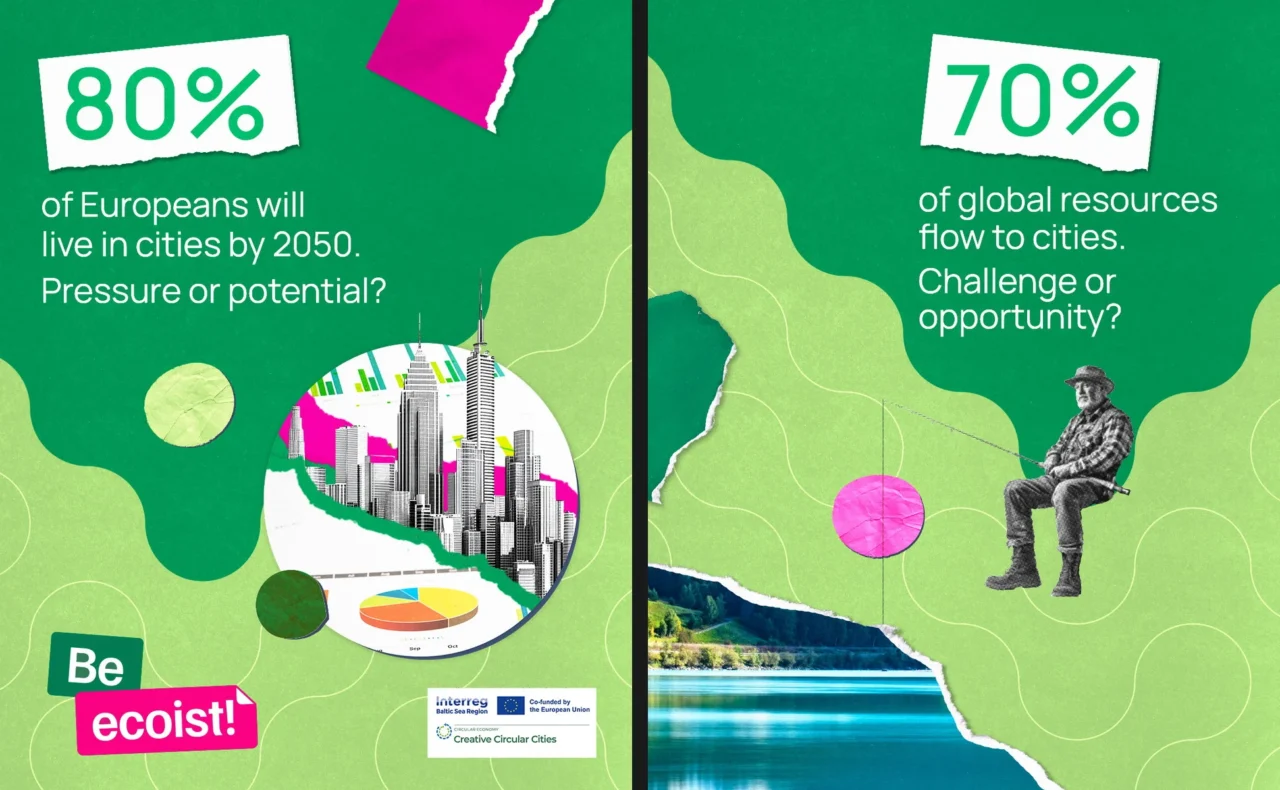
Creative Circular Cities, Interreg Baltic Sea Region
Creative Circular Cities brings local authorities, business support organisations and NGOs together across six demo cities: Aarhus, Gdynia, Kiel, Riga, Tallinn and Turku. The 2023 to 2026 project explores how cultural and creative sectors can support circular business growth, public participation and municipal transition.
Glitch won the communication and PR tender. We developed the public framing, identity, website, editorial system and communication toolkit. The work had to serve project partners, policymakers, city teams, creative practitioners and organisations that may reuse the project’s methods. The resulting Creative Circular Cities platform organises city experiments, resources and practical tools around a clear proposition: culture and creativity can move circular transition from plans into places.
Culture Next, Creative Europe
Culture Next supports cities that are current or former candidates for the European Capital of Culture title, whether or not they won. The network helps cities carry the cultural strategies, partnerships and public energy created during a bid into long-term urban development. From 2022 to 2024, Culture Next received funding through the European Union’s Creative Europe Networks programme, followed by renewed EU funding from 2025.
For this European network, Glitch developed the strategy, visual identity and verbal identity. We built a co-branding framework, member-city lockups, conference signatures, social assets and digital layouts that could move across countries while remaining recognisable. The verbal system gave Culture Next an institutional voice with the warmth of a peer network. It shows how a shared European identity can hold many cities together without erasing their individual character.
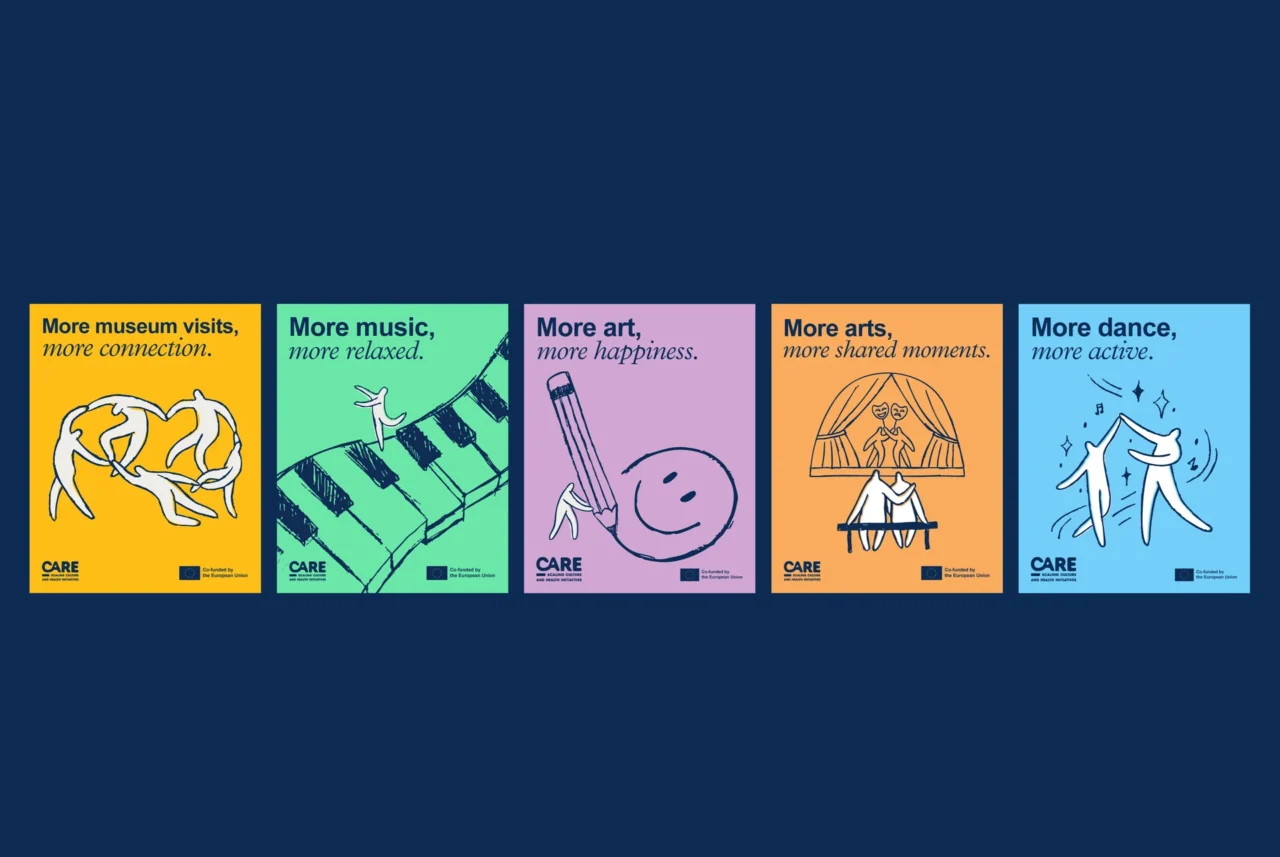
CARE: Culture for Mental Health, Creative Europe
CARE: Culture for Mental Health is a European initiative led by Cluj Cultural Centre with cultural partners across six countries. It explores how arts participation can support mental health and wellbeing among young people, working adults and vulnerable communities.
For the public awareness campaign, Glitch translated research into an accessible European communication system. We created the concept More arts, more wellbeing, a visual language, evidence-based messages, partner templates, social assets and rollout guidance. The toolkit allowed organisations in different countries to adapt the campaign while keeping its logic and evidence intact. Our CARE project page shows the campaign in use.
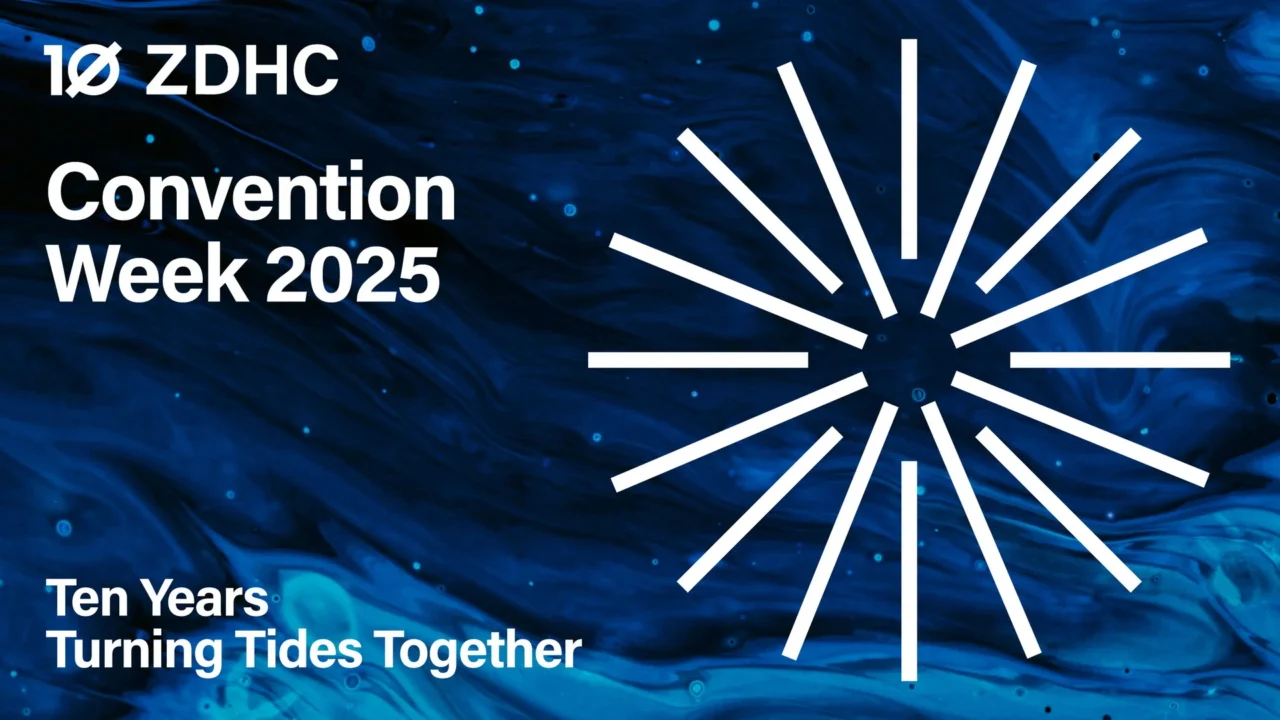
ZDHC Foundation
The ZDHC Foundation works with the fashion and textile value chain to reduce harmful chemical discharge. The subject combines chemistry, manufacturing, supply chains, regulation, data and environmental impact. It cannot rely on vague sustainability claims.
Our work has included communication strategy, impact reports, stakeholder publications, research brochures, newsletters, digital content, podcast production and conference communication. For events, we created systems across signage, badges, presentation templates and digital assets. For reports, we helped dense technical evidence become easier to navigate without removing its substance.
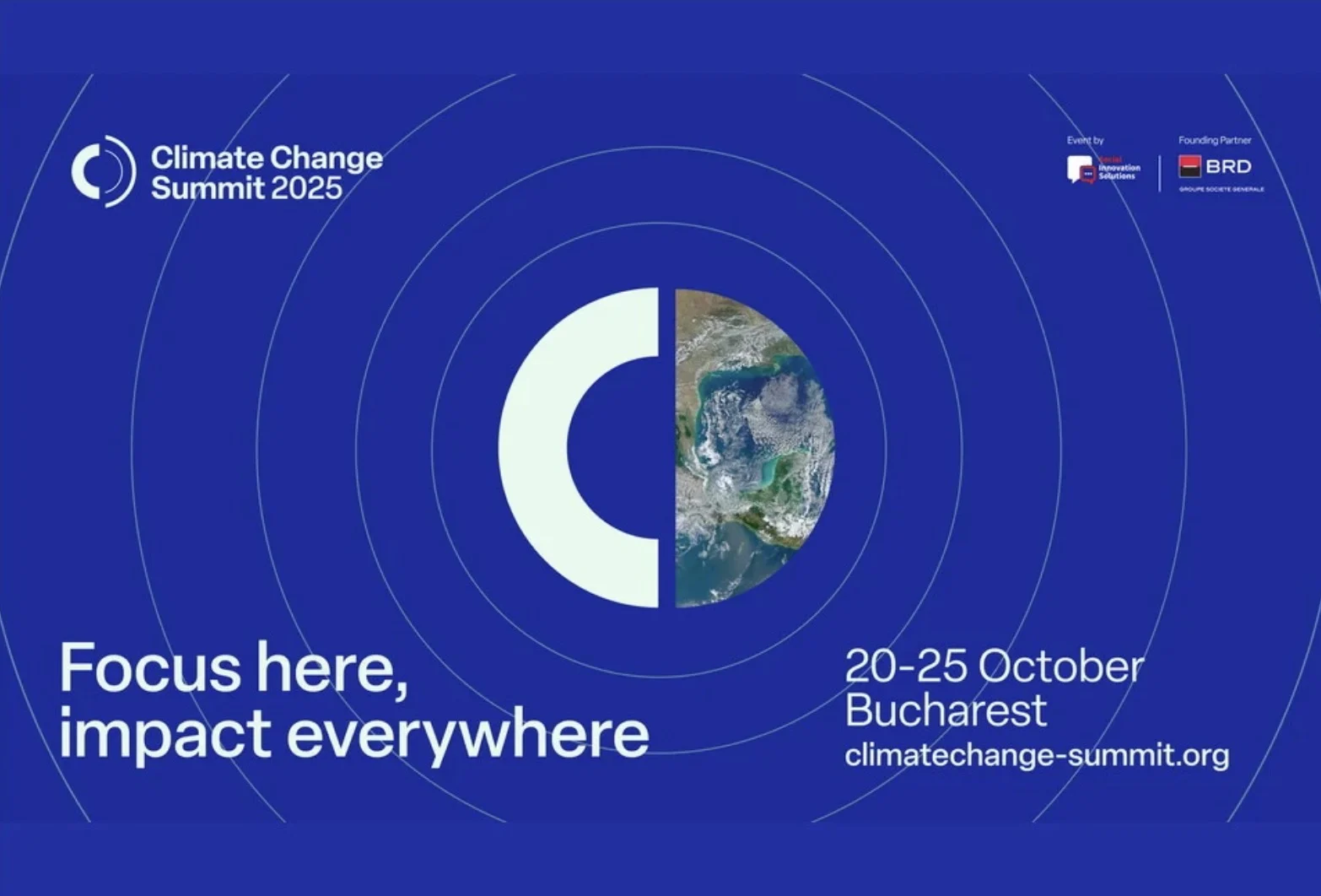
Climate Change Summit
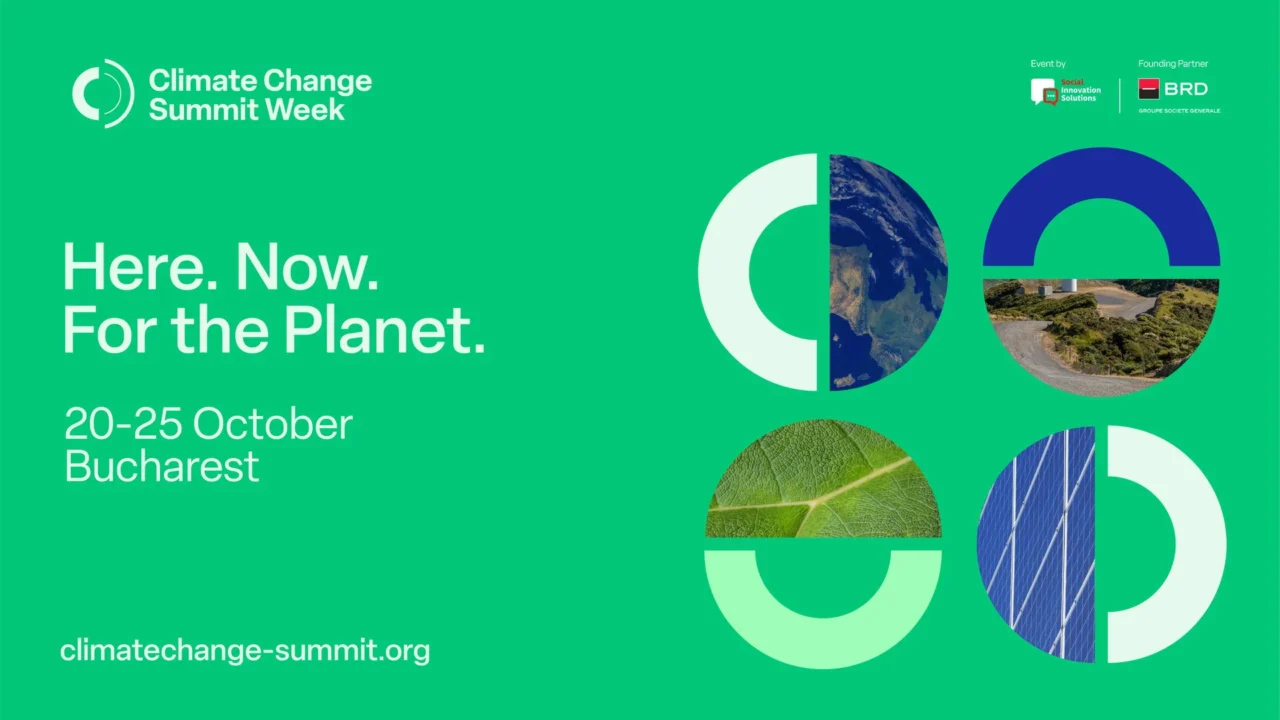
Climate Change Summit has grown into a major Central and Eastern European platform for climate solutions, bringing together researchers, policymakers, businesses, civil society and international speakers.
Glitch developed identity, campaign and conference communication assets for the Summit and its awards programme. The work had to hold policy, finance, innovation, public participation and regional climate action inside one recognisable system. Event communication works under pressure: many speakers, partners, formats, venues and last-minute changes. The system must remain clear when the schedule does not.
We apply the same systems thinking to cultural institutions. Our Red Dot-winning brand architecture for Fundația9 created a shared structure for several programmes while preserving each programme’s voice. Consortia face a related problem: common identity without flattening the partners.
The Horizon Europe calls and topics we want to discuss
For the 23 September 2026 Cluster 2 deadline, we are interested in proposals around:
- HORIZON-CL2-2026-01-HERITAGE-01, artistic intelligence and art-science-technology collaboration
- HORIZON-CL2-2026-01-HERITAGE-03, AI integration in cultural and creative work
- HORIZON-CL2-2026-01-HERITAGE-04, fair and transparent markets for cultural content in the era of generative AI
- HORIZON-CL2-2026-01-HERITAGE-05, creative alliances and international cultural policy partnerships
- HORIZON-CL2-2026-01-DEMOCRACY-10, digital and media literacy for civic resilience
- HORIZON-CL2-2026-01-TRANSFO-07, competences for the green transition
We also want to hear from consortia working on cultural heritage, circular economy, climate adaptation, public participation, mental health, education, democratic resilience and the social effects of technology. The official EU Funding and Tenders Portal contains the live call documents and submission conditions.
We are open to conversations for 2027 calls as well. Those earlier discussions offer more room to shape the work package, budget and partner roles before the proposal hardens.
What we need from a consortium
A short first message can tell us whether the fit is real. Please include:
- the call identifier and topic
- a one or two-page concept note, or a concise summary
- the coordinator and current partner mix
- the countries and disciplines already represented
- the role you want the communication partner to hold
- the proposal stage and internal deadline
- the expected budget or person-month range for the role
- the communication, dissemination or engagement capacity still missing
Looking for a Horizon Europe communication and dissemination partner?
If you are forming a consortium for the September 2026 deadline or a 2027 call, contact Dan Stănescu at dan@glitch-shop.com with the subject line Horizon Europe consortium.
Glitch operates from Bucharest, Romania, inside an EU Member State. We can discuss a beneficiary role, a work package or task contribution, or a specialist subcontracting structure. The right form depends on the proposal, procurement logic and responsibilities.
You can also read more about our studio, browse selected work or use the contact page.
Communication will not rescue a project that has no path to impact. When a consortium designs that path from the proposal stage, communication can help research move through institutions, professions, cities and public life. That is the work we want to join.