A circular project deserved a circular campaign.
Creative Circular Cities brings culture and creativity into the circular transition. We took that ambition into the way its communication was made: turning material the project already produced into material for the campaign.
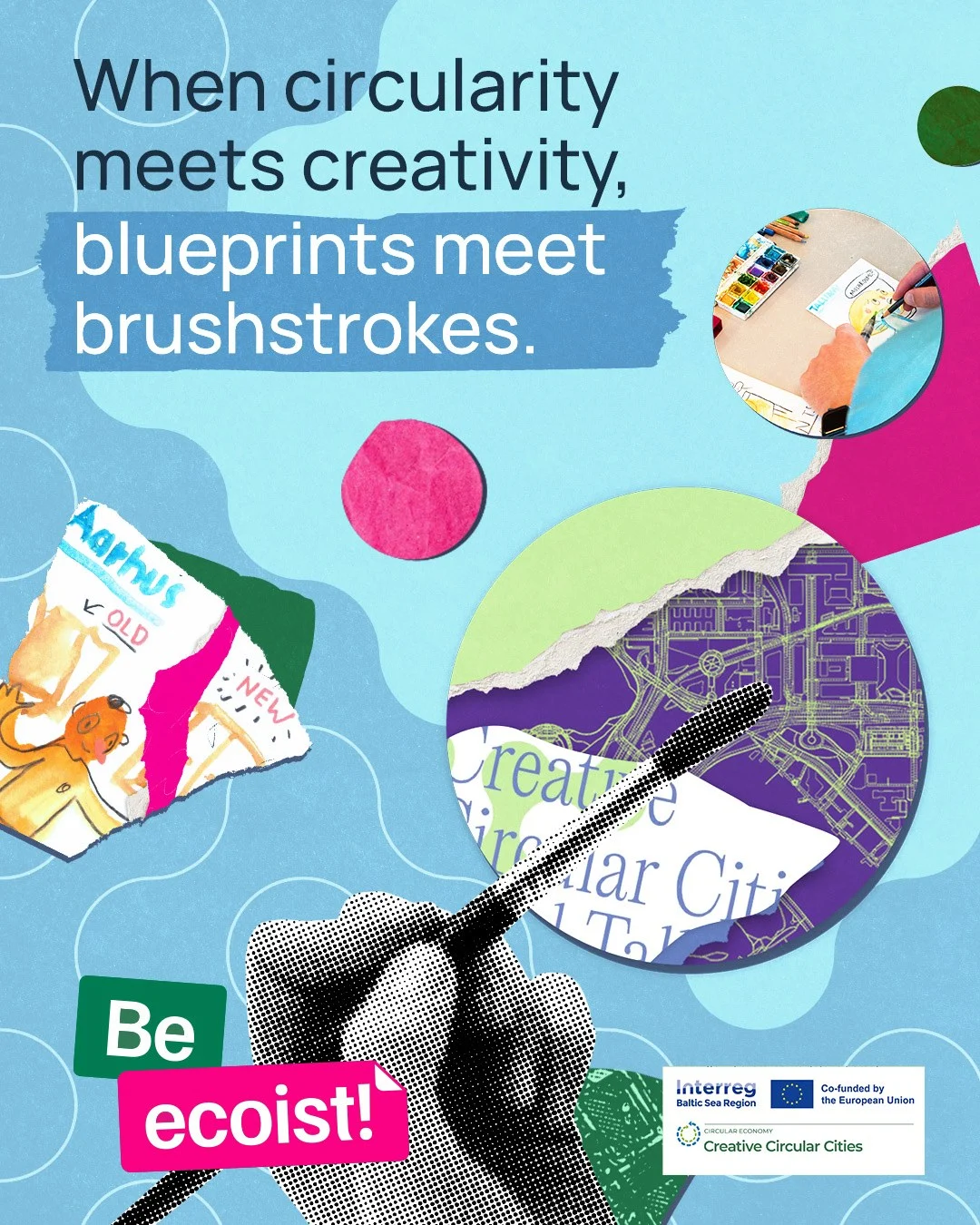
Existing photography, illustrations and icons became raw ingredients, alongside workshop images, slides and fragments of copy. Cut, combine, repurpose. Every output could become input.

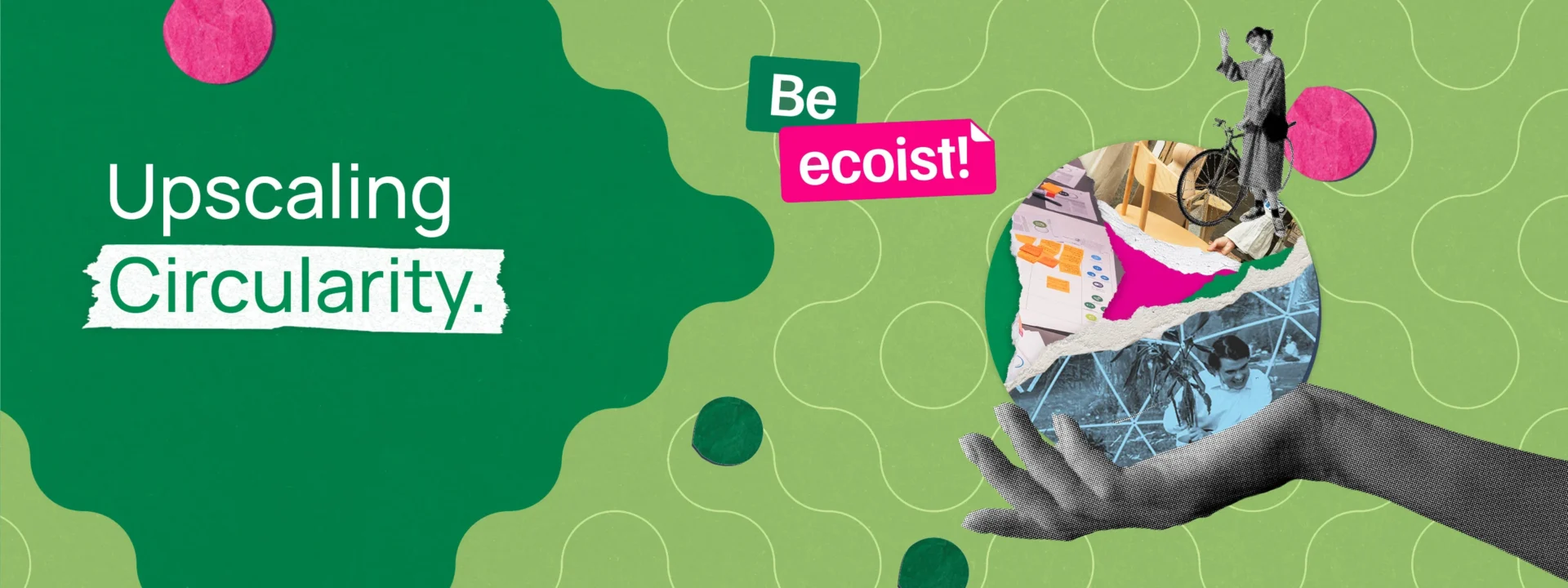
Be ecoist.
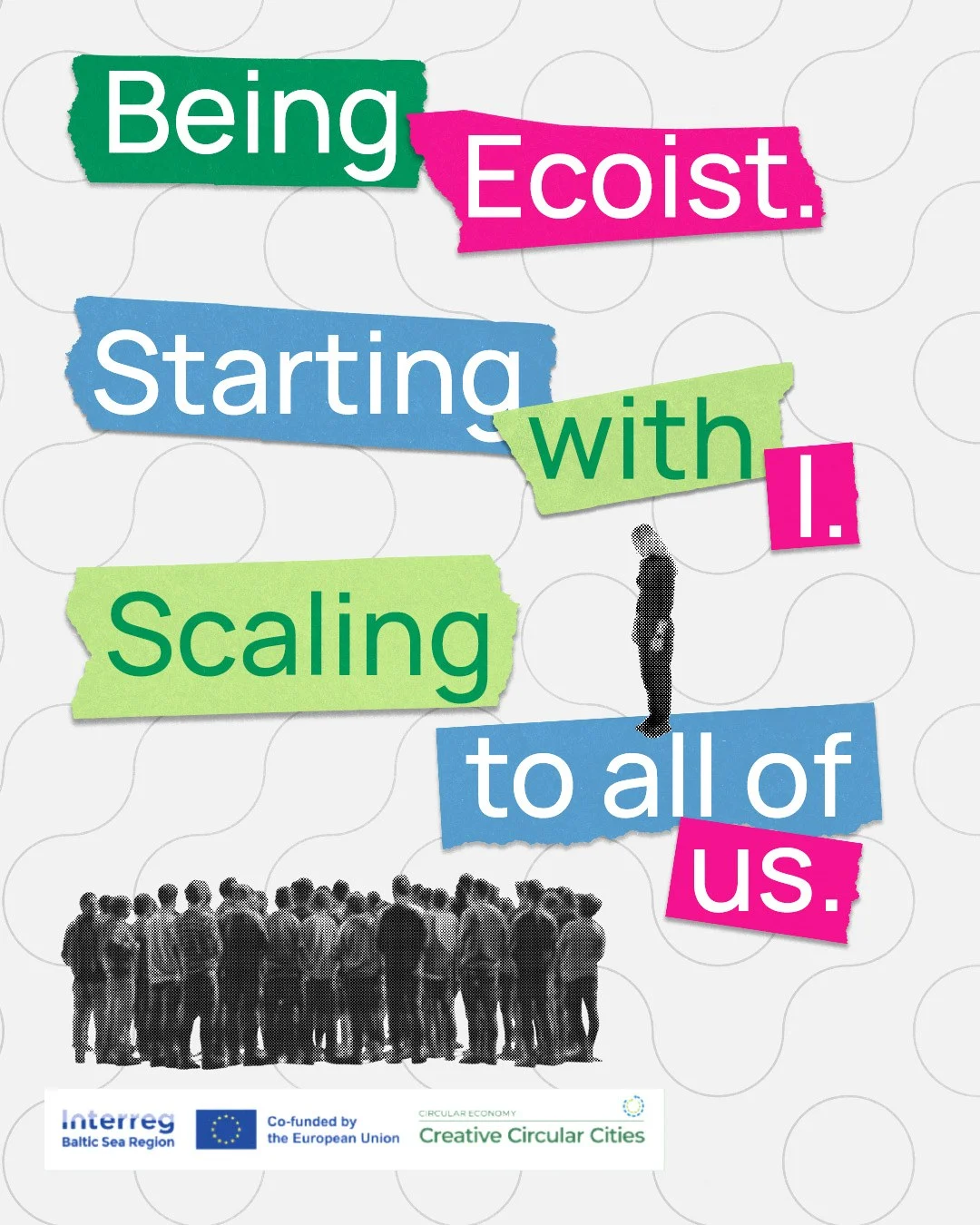
An ecoist sees possibility in what is already here. Waste becomes material. Culture helps change habits. Creativity gives people a way to start. “Be ecoist” brought that thinking out of the project documents and into public life.
The invitation also set a rule for us. Use what the project produces. Give it another job. Make the campaign practise the idea it asks people to take part in.

The archive, put to work.
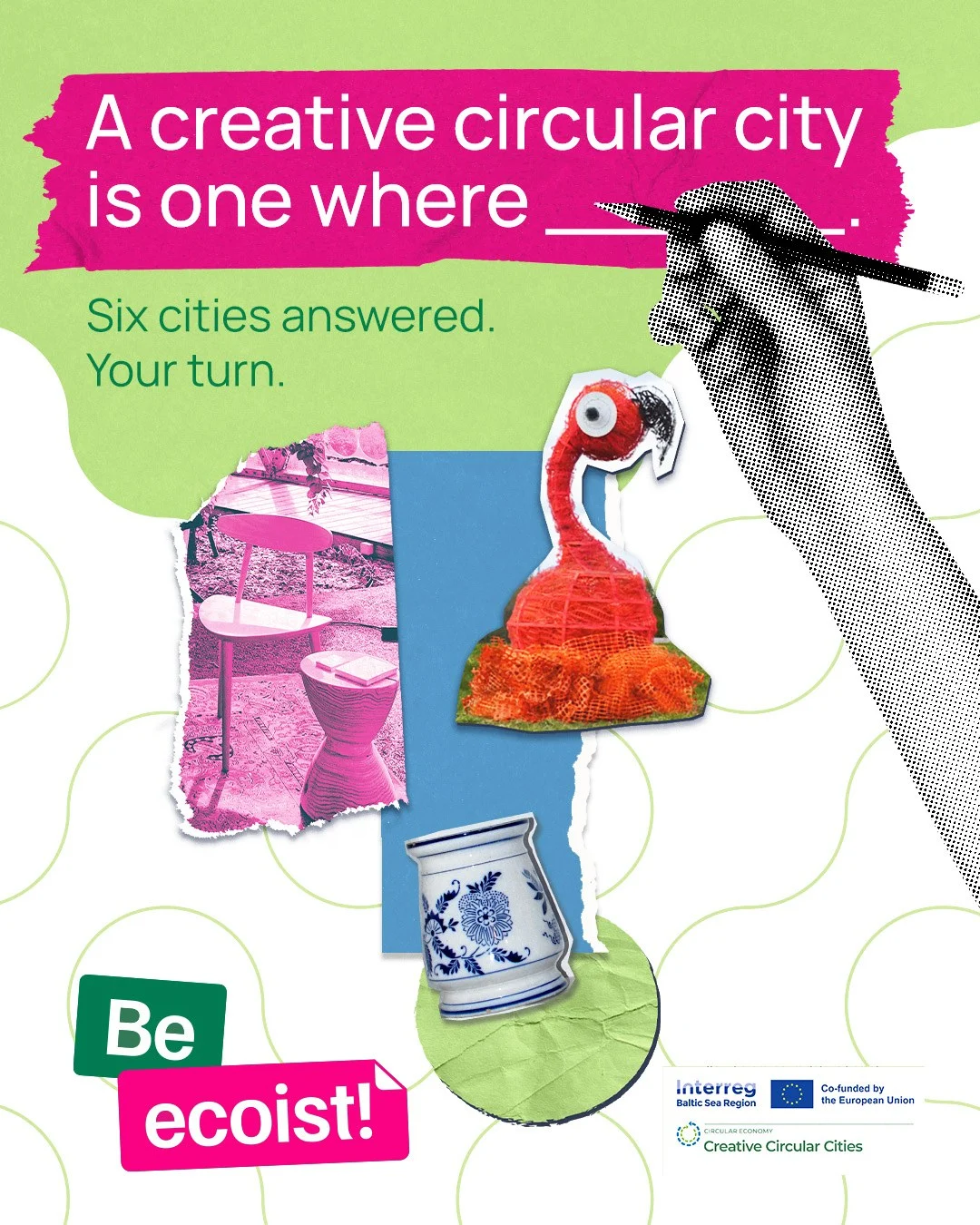
The project archive became our art department. Photos, diagrams and presentation fragments could leave their original context and meet again in a collage. A workshop image had more to do than illustrate a recap.
Colour, type and composition brought those different sources together. As the project produced more material, the campaign had more to work with. Reuse was part of the creative process.
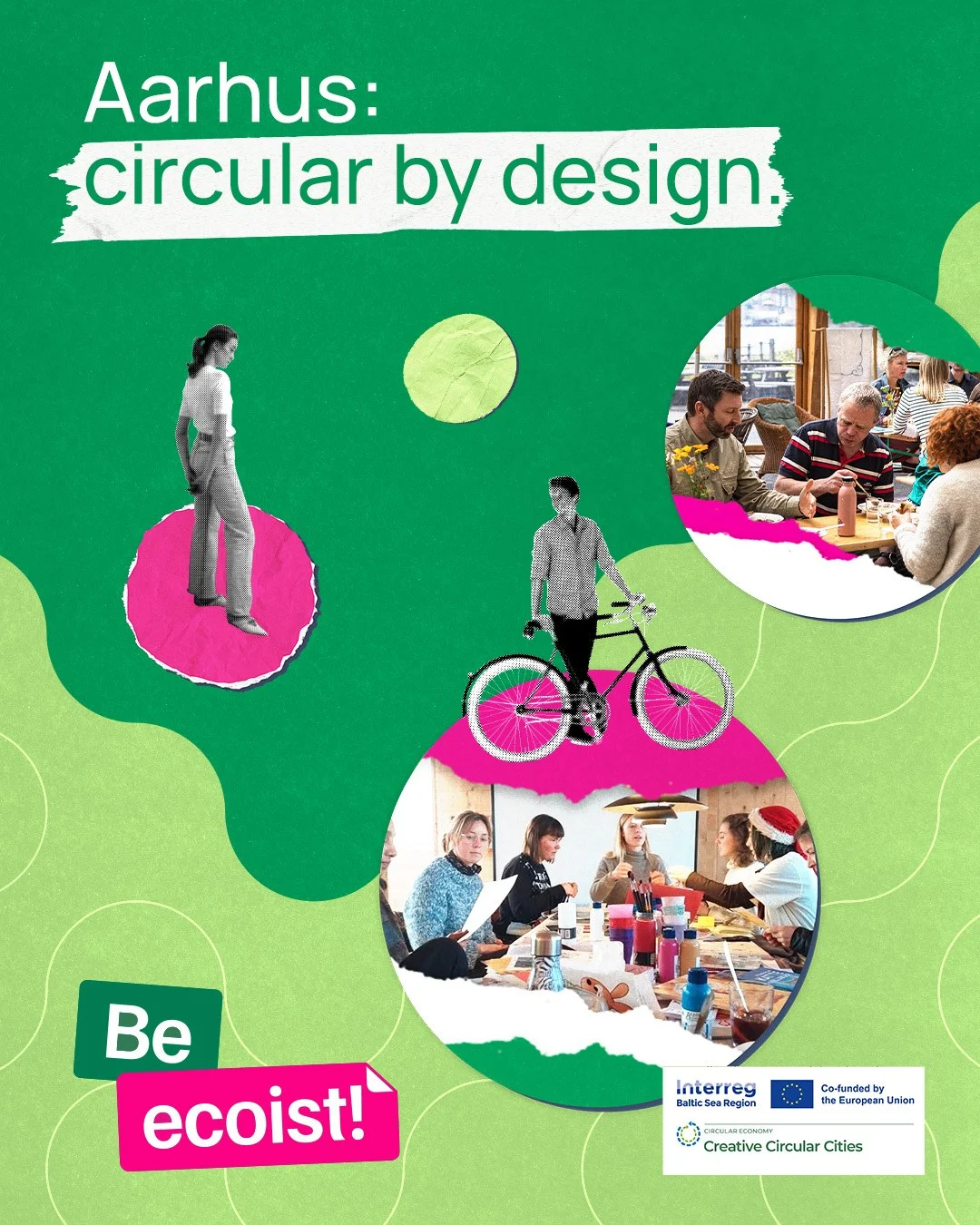
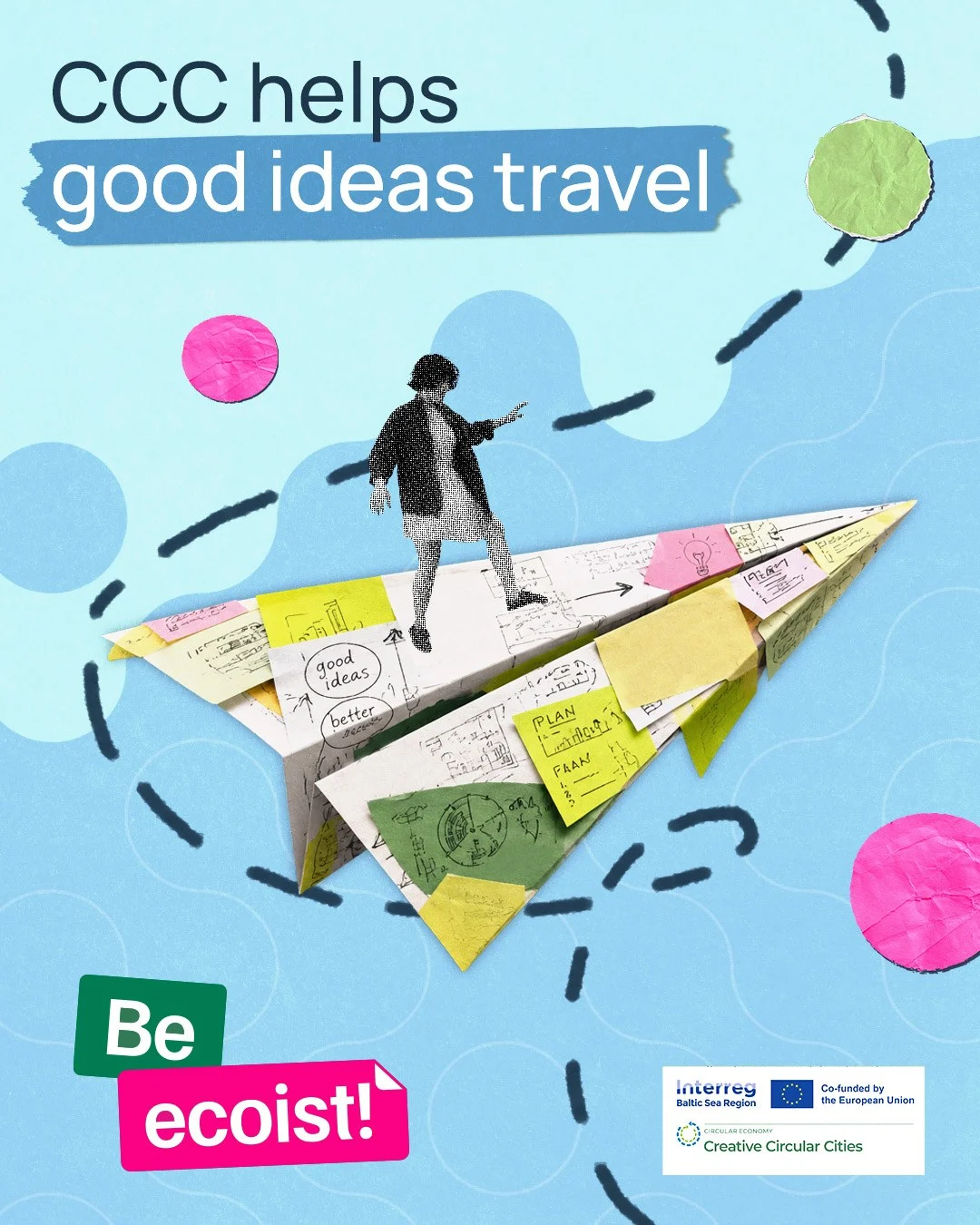
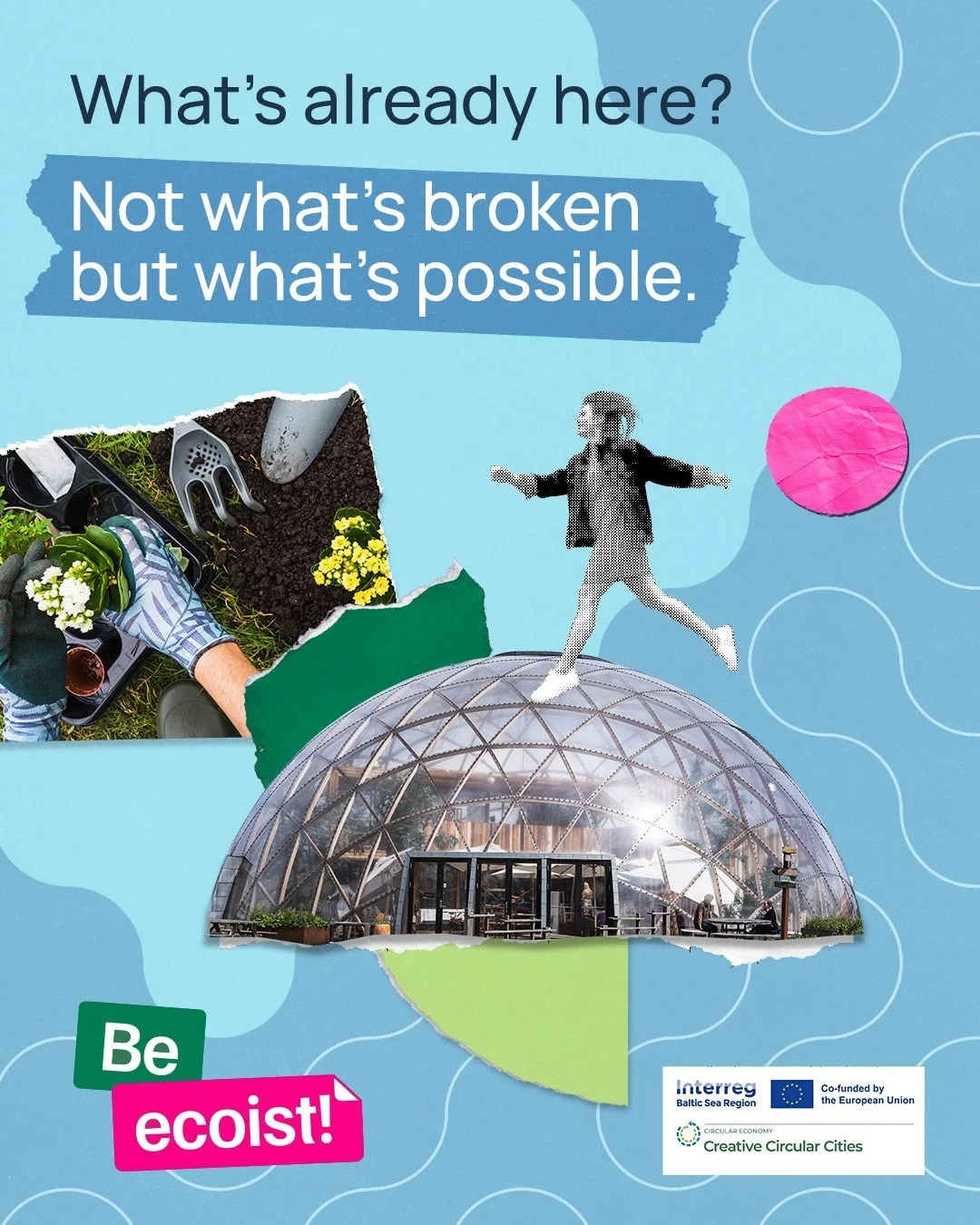
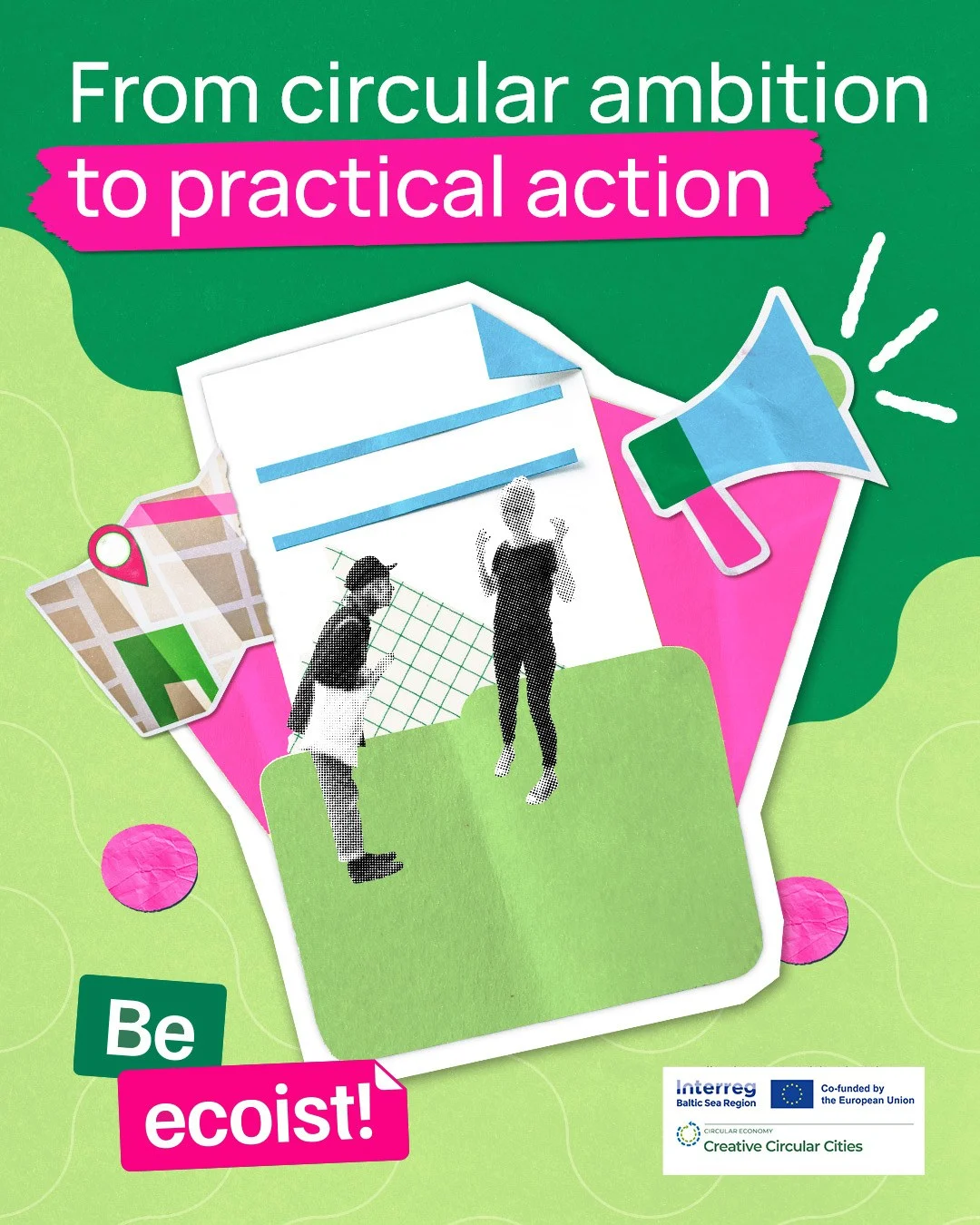
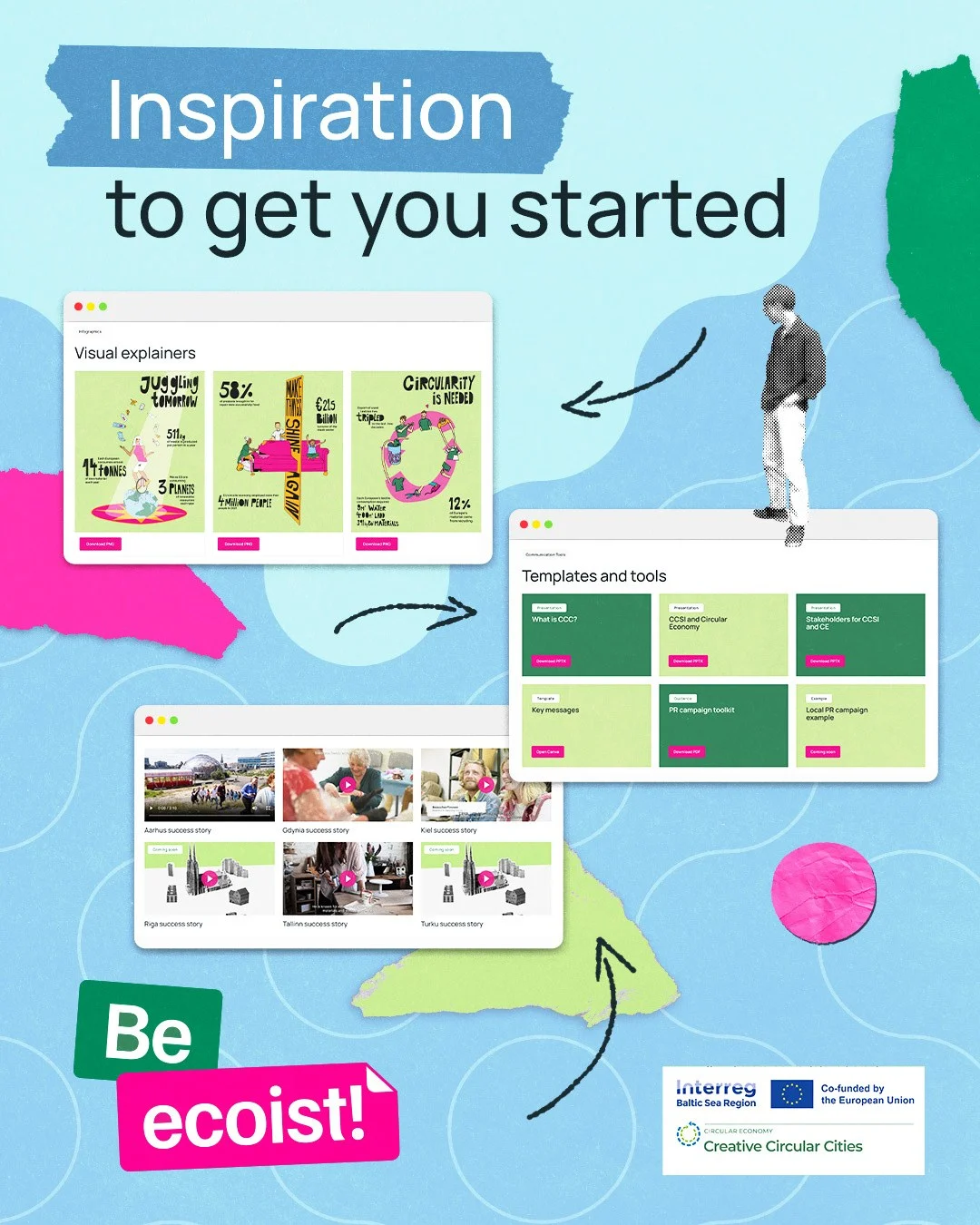
A place for the work to go.
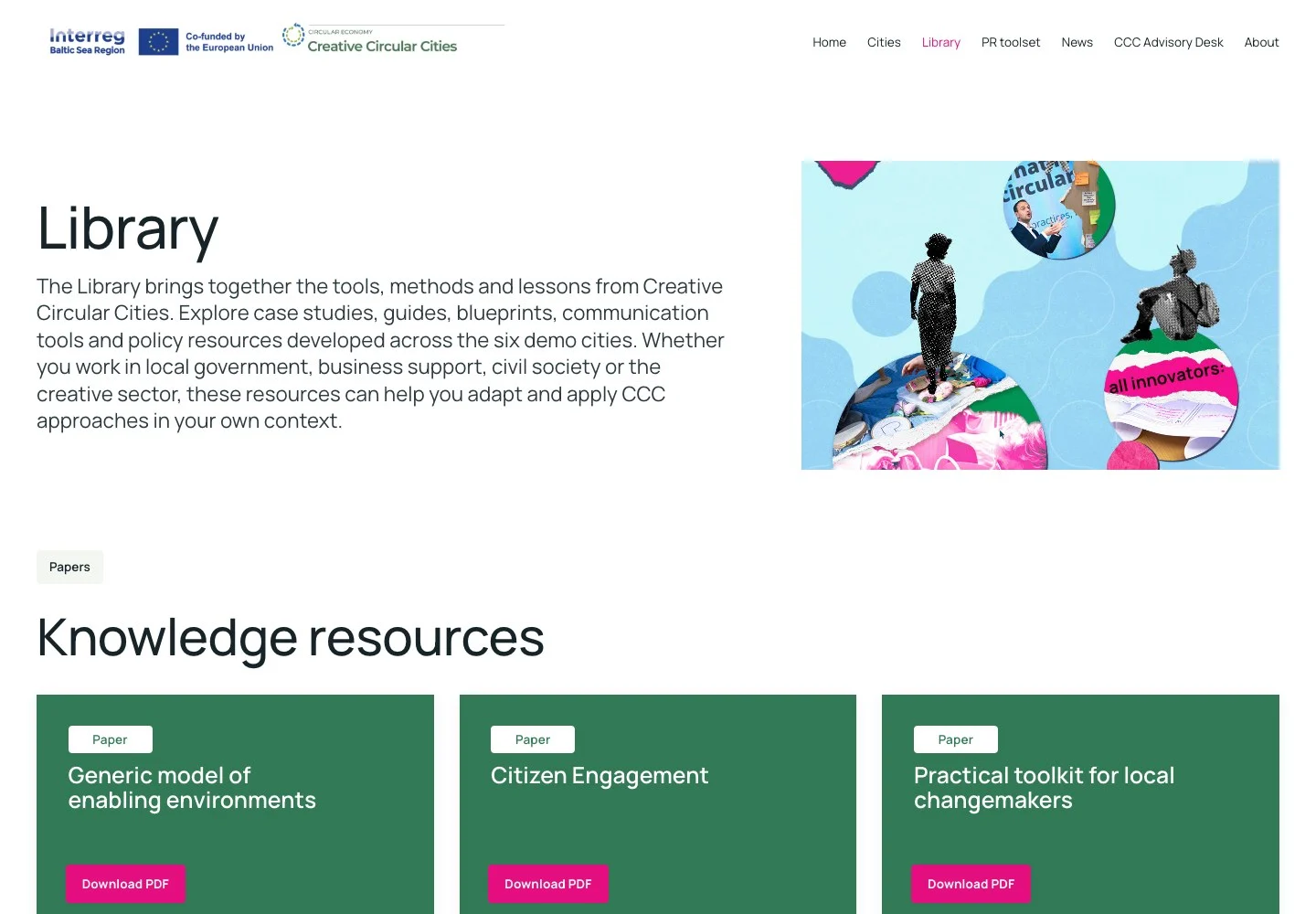
The website gave the stories, cities and resources a place to live. Its structure and editorial layer helped readers move from a campaign idea to the work behind it: a tool, a local example or a way to get involved.
Social content and PR carried that material into new contexts. The same principle ran through the work: look at what exists, find another use for it, and keep the ideas moving.
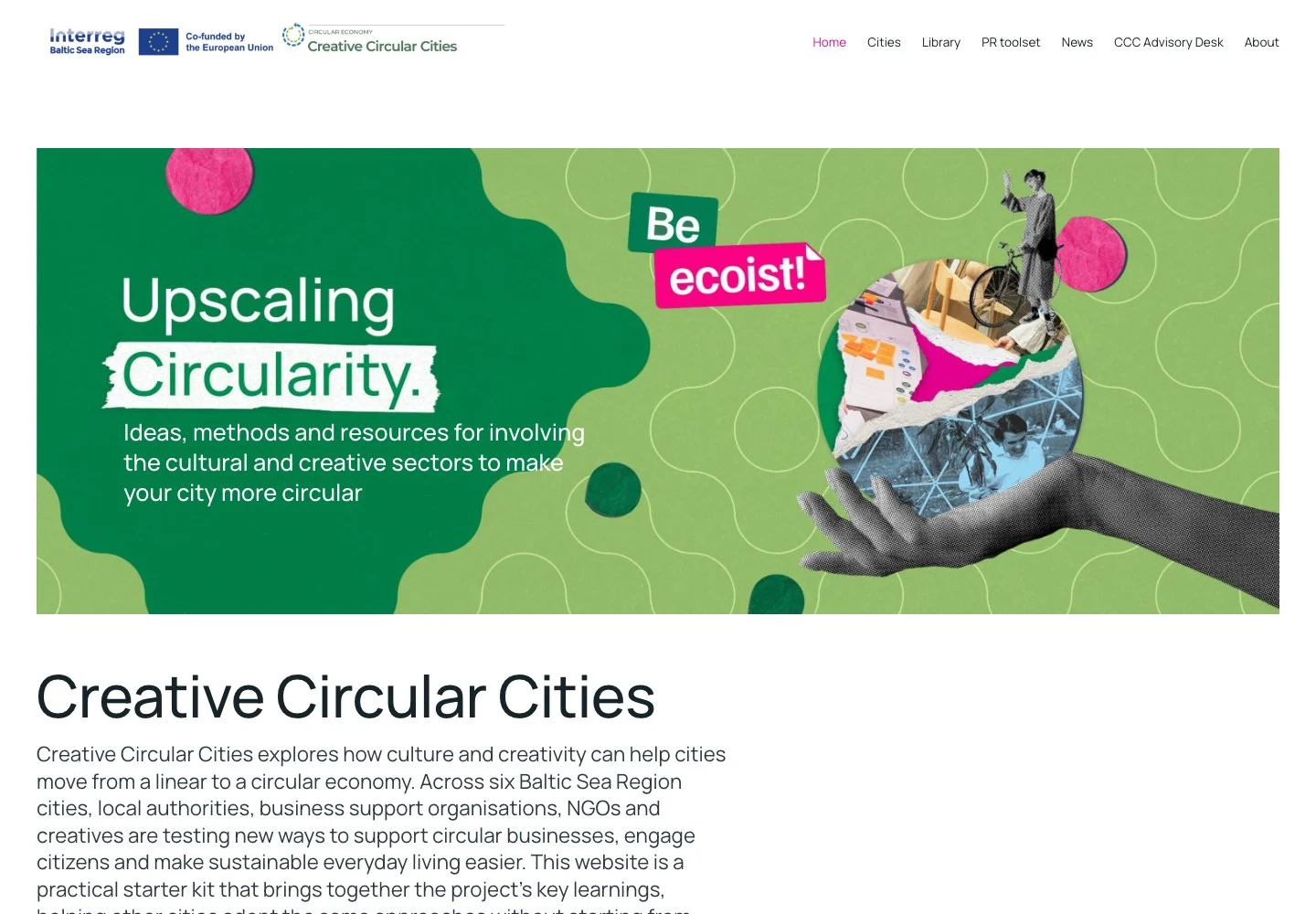
Creative Circular Cities
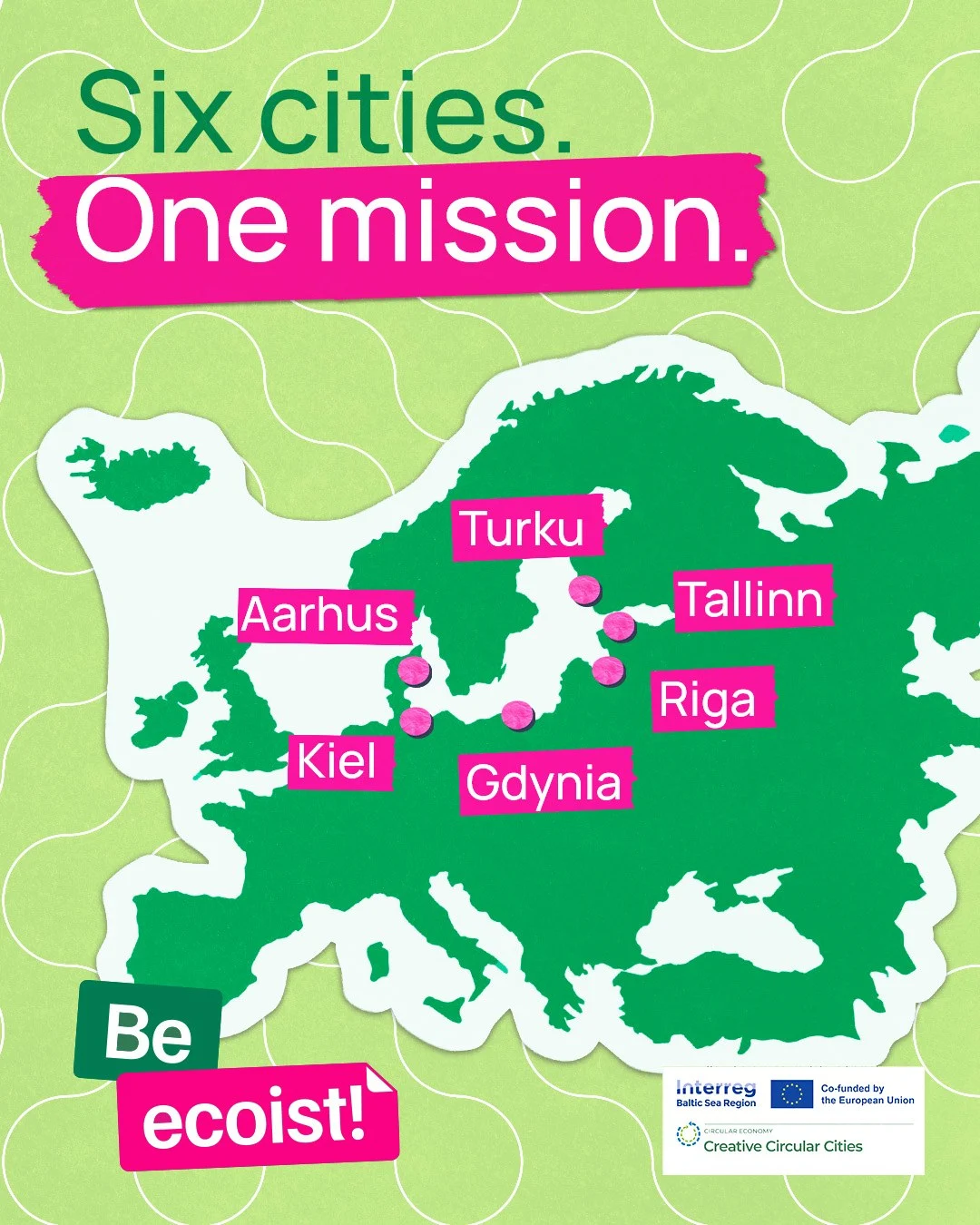
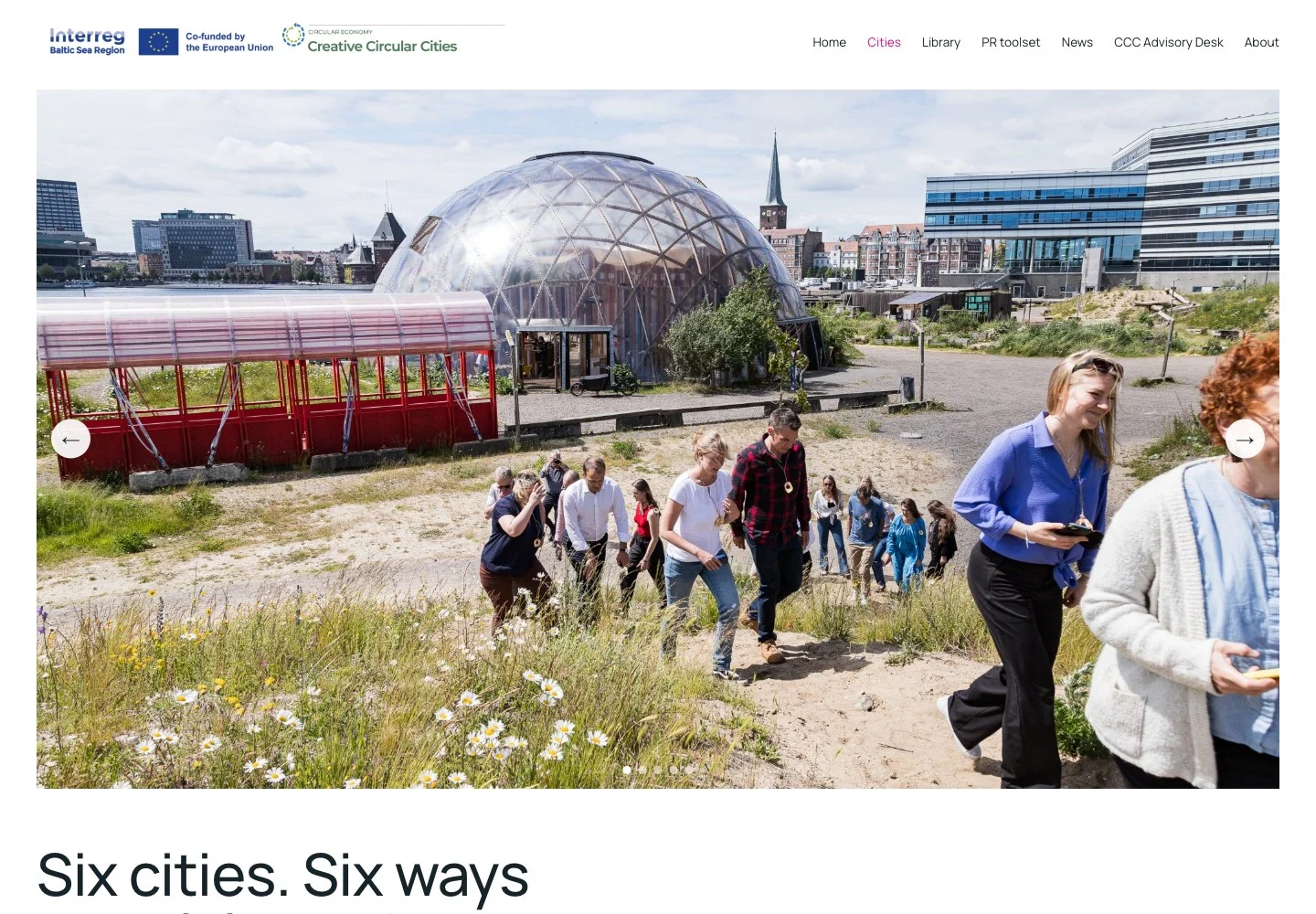
Creative Circular Cities is co-funded by the EU’s Interreg Baltic Sea Region programme. The project works across Aarhus, Gdynia, Kiel, Riga, Tallinn and Turku.